



What to Do After Water Damage in Your Austin Home
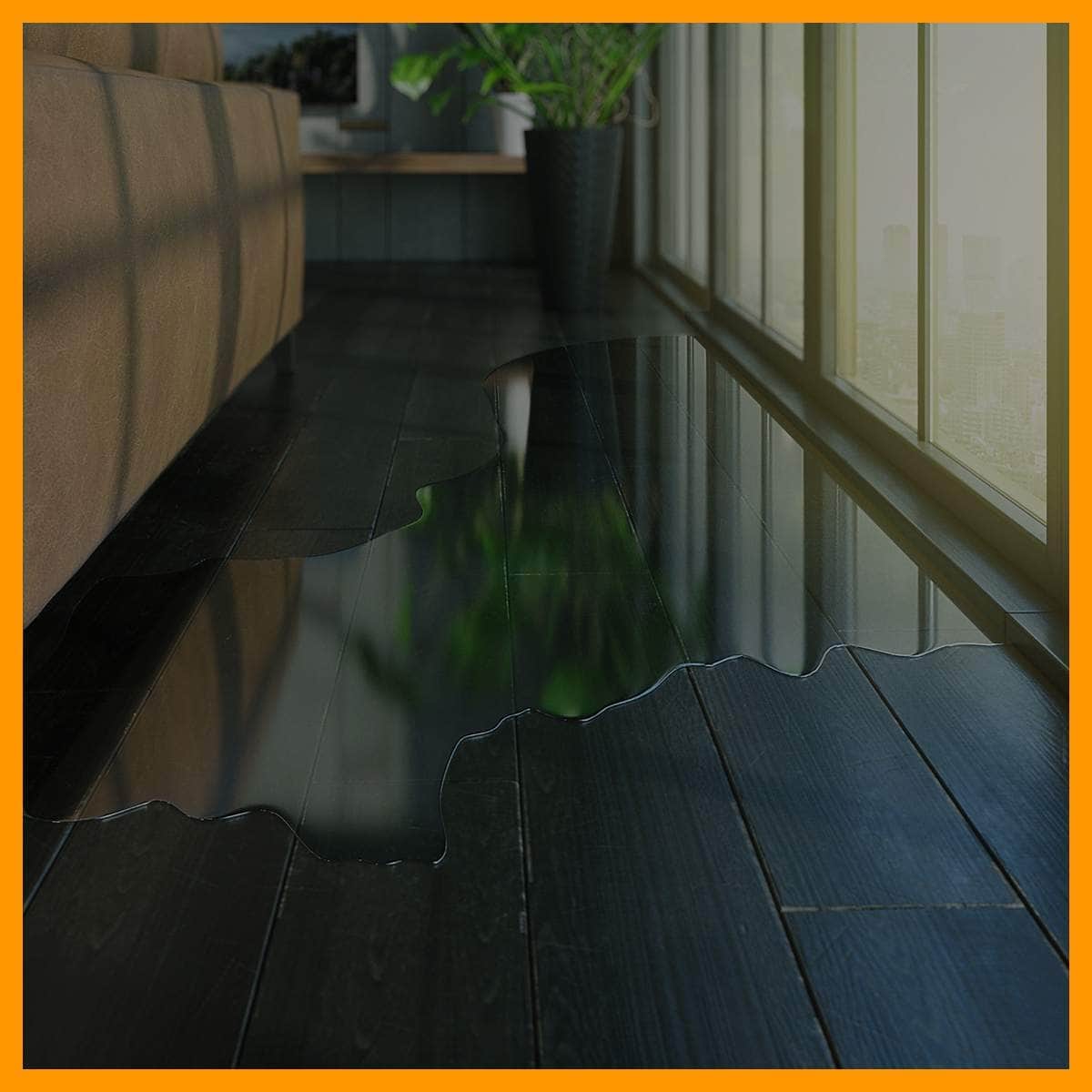
Water damage can happen without warning. Whether it's a burst pipe, overflowing appliance, storm intrusion, or water heater failure, acting quickly can help reduce damage, prevent mold growth, and save thousands of dollars in repairs.
If your Austin-area home has experienced water damage, follow these important steps to protect your property and begin the restoration process.
Step 1: Stop the Source of Water
The first priority is stopping additional water from entering the property.
Common sources include:
- Burst or leaking pipes
- Water heater failures
- Washing machine or dishwasher leaks
- Roof leaks
- Storm-related flooding
- HVAC system overflows
If it is safe to do so, shut off the water supply to the affected area or the main water valve. If the damage is caused by severe weather, wait until conditions are safe before entering affected areas.
Step 2: Turn Off Electricity in Affected Areas
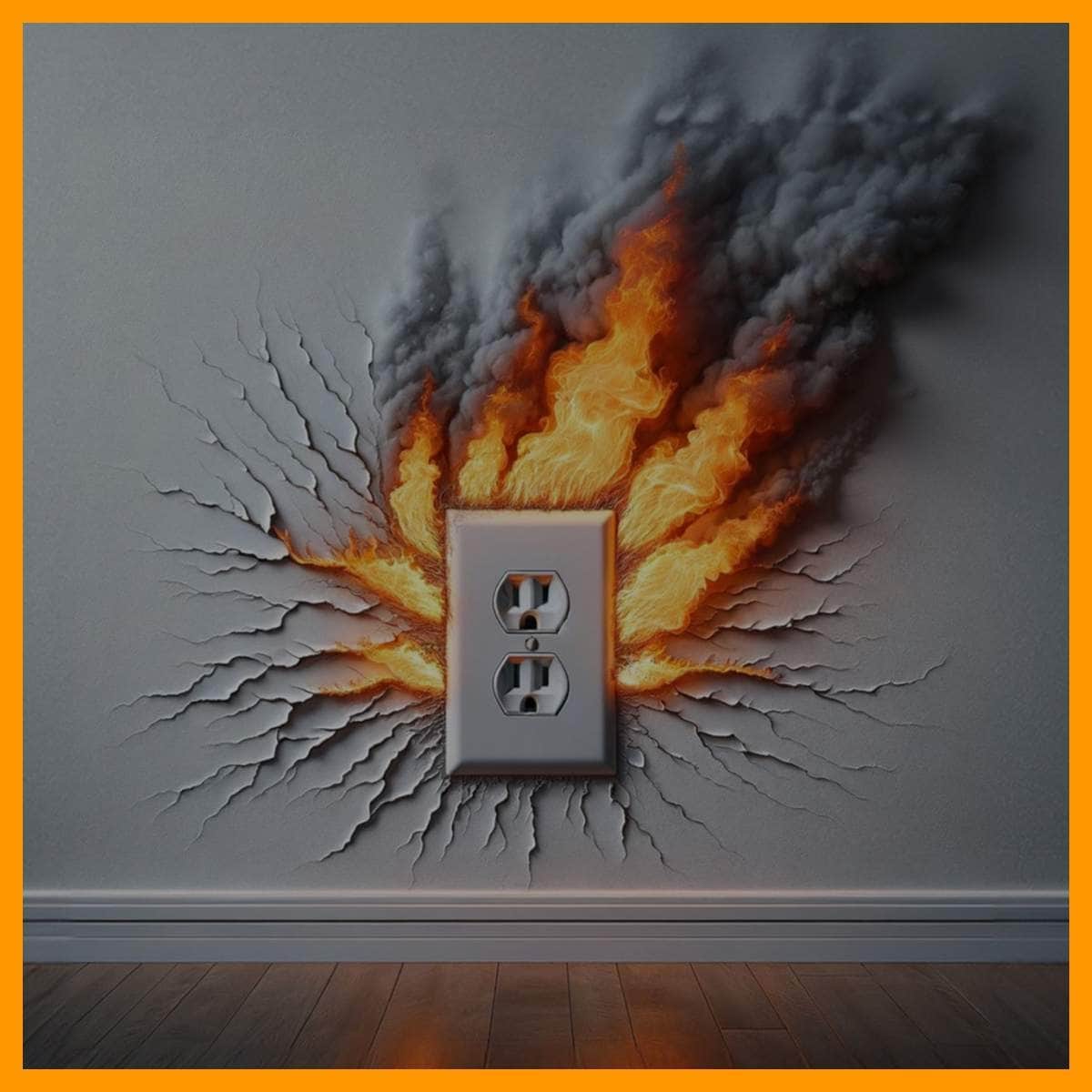
Water and electricity are a dangerous combination. If water has reached outlets, electrical panels, appliances, or wiring, avoid entering the area until power has been safely disconnected.
If you are unsure whether the area is safe, contact a licensed professional before entering.
Step 3: Document the Damage
Before cleanup begins, take photos and videos of all affected areas.
Be sure to document:

- Standing water
- Damaged flooring
- Wet drywall
- Damaged furniture
- Personal belongings
- Ceiling stains
- Appliance failures
Detailed documentation can help support your insurance claim and ensure all damage is properly recorded.
Step 4: Contact Your Insurance Company
Notify your insurance provider as soon as possible.
When speaking with your insurance company:
- Explain the cause of the damage
- Provide photos and videos
- Ask about emergency mitigation coverage
- Request claim instructions
- Keep records of all conversations
Many policies cover sudden and accidental water damage, though coverage varies depending on the source of the loss.
Step 5: Remove Standing Water Quickly
The longer water remains inside your home, the greater the damage becomes.
Standing water can:
- Weaken flooring materials
- Damage drywall
- Cause structural deterioration
- Create odors
- Promote mold growth
Professional water extraction equipment can remove water significantly faster than household wet vacuums and help prevent secondary damage.
Step 6: Begin Drying Immediately
Even after visible water is removed, moisture can remain hidden inside:
- Walls
- Flooring
- Insulation
- Cabinets
- Subfloors
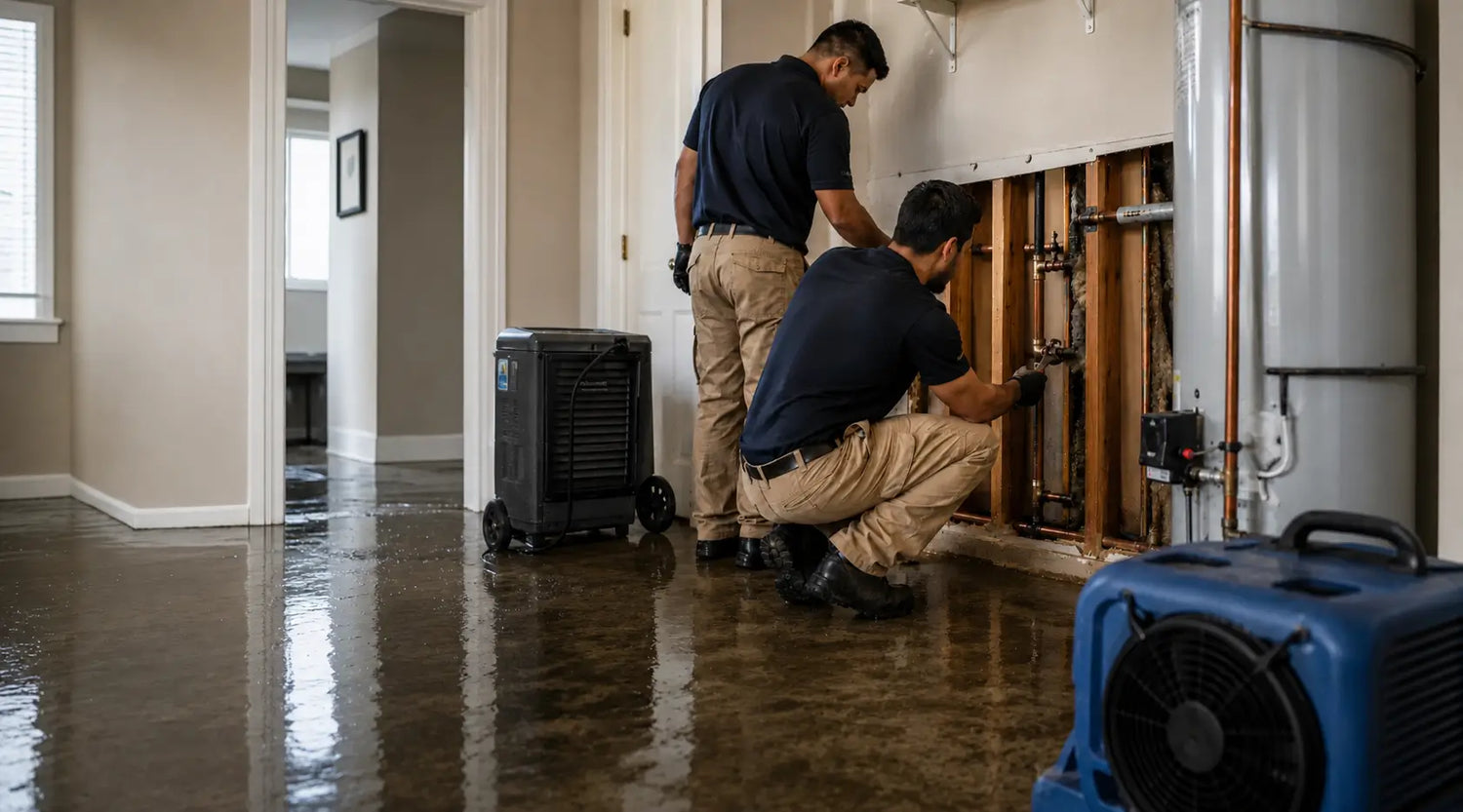
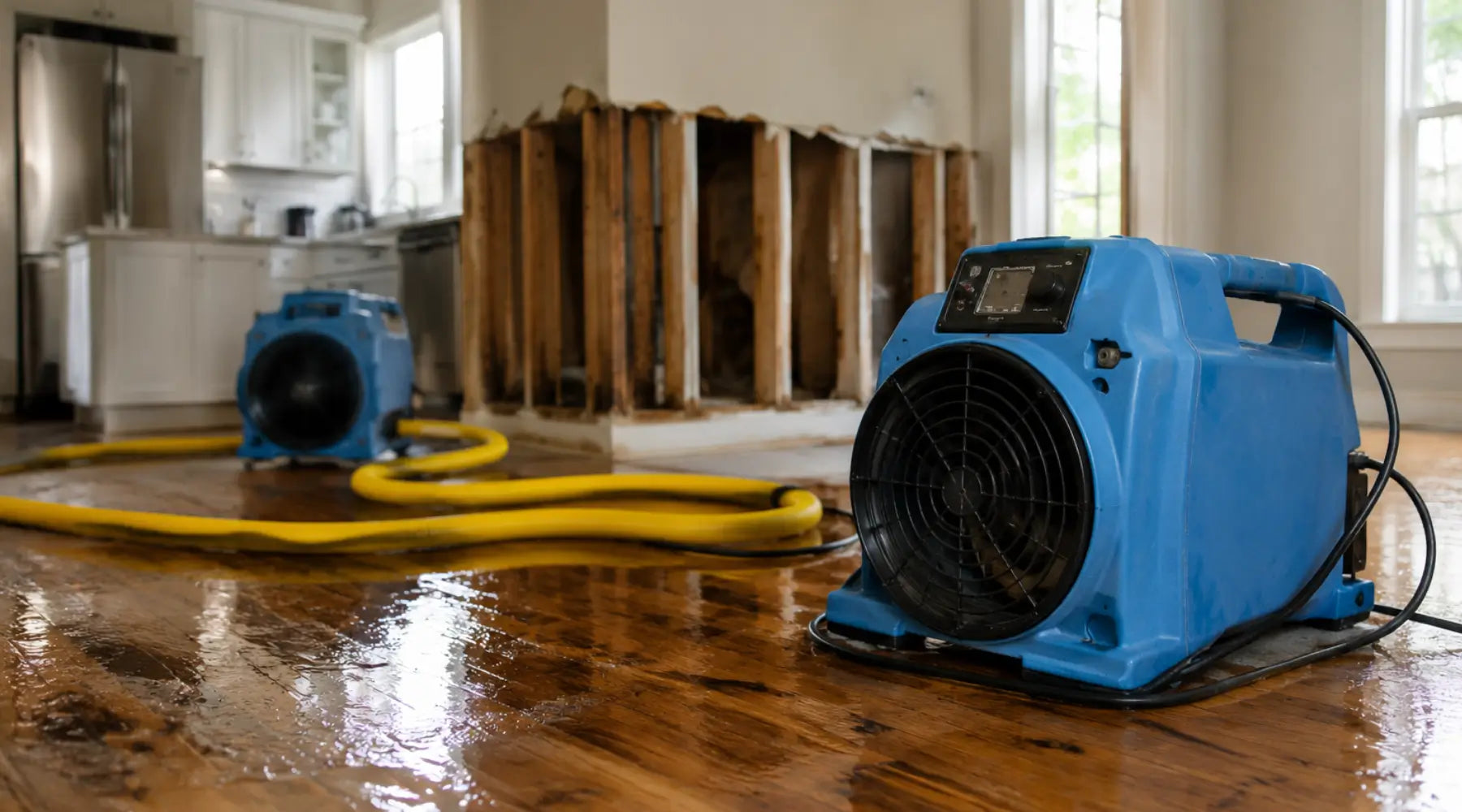
Industrial air movers, dehumidifiers, and moisture monitoring equipment are essential for properly drying affected materials.
Without proper drying, mold can begin developing within 24 to 48 hours.
Step 7: Watch for Mold Growth
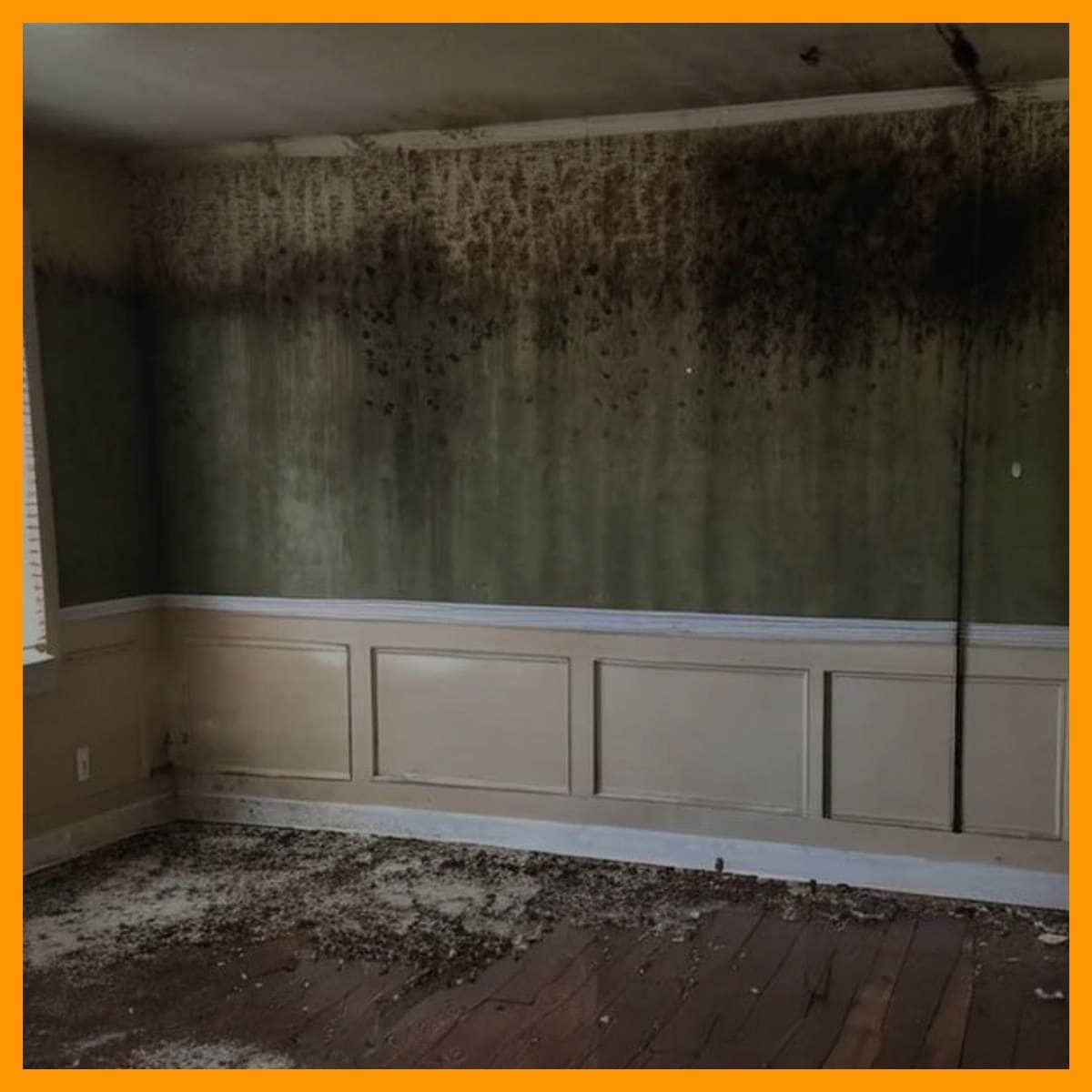
Austin's warm and humid climate creates ideal conditions for mold growth after water damage.
Common warning signs include:
- Musty odors
- Visible discoloration
- Warped materials
- Increased allergy symptoms
- Persistent dampness
Addressing moisture quickly is the best way to prevent mold problems before they start.
Step 8: Remove Damaged Materials When Necessary
Not all building materials can be saved after water damage.
Depending on the extent of exposure, restoration professionals may recommend removing:
- Wet drywall
- Saturated insulation
- Damaged flooring
- Contaminated materials
- Unsalvageable cabinets
Removing damaged materials helps prevent future structural and mold issues.
Step 9: Schedule Professional Restoration Services
Professional restoration companies provide a complete recovery process that includes:
- Emergency response
- Water extraction
- Structural drying
- Moisture detection
- Mold prevention
- Repairs and reconstruction
Choosing a company that can handle both mitigation and rebuilding can simplify the restoration process and reduce delays.
Common Causes of Water Damage in Austin Homes
Austin homeowners frequently experience water damage from:
Water Heater Failures
A failed water heater can release dozens of gallons of water into a home in a short period of time.
Burst Pipes
Winter freezes and aging plumbing systems often lead to burst pipes throughout Central Texas.
Roof Leaks
Hail, wind, and severe storms can allow water to penetrate roofing systems and damage ceilings, insulation, and drywall.
Appliance Leaks
Dishwashers, washing machines, refrigerators, and HVAC systems are common sources of hidden water damage.
Storm and Flash Flooding
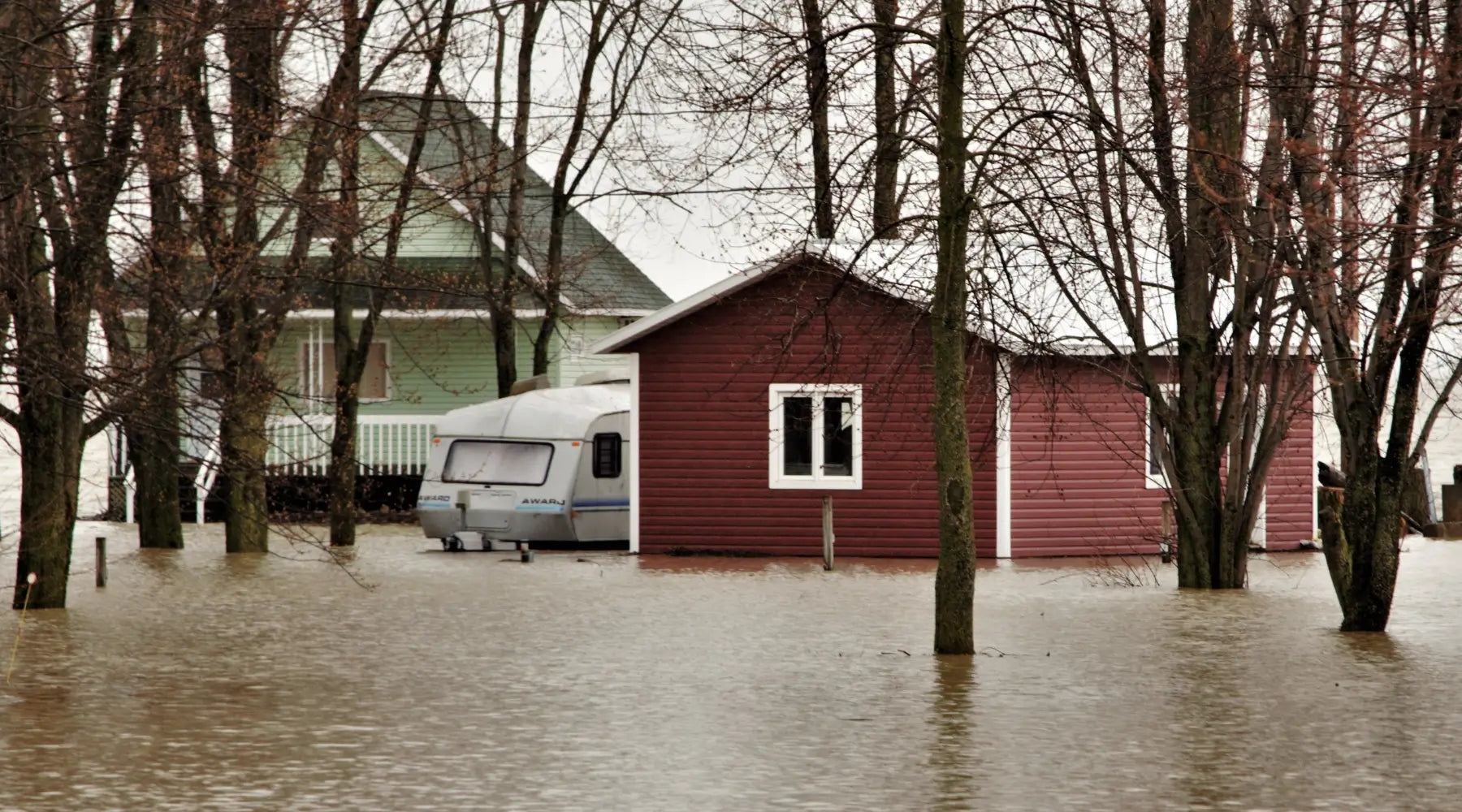
Texas weather can produce heavy rainfall that overwhelms drainage systems and causes flooding.
How Long Does Water Damage Restoration Take?
Every situation is different, but a typical water damage restoration project may include:
- Water extraction: 1 day
- Structural drying: 3–7 days
- Repairs and reconstruction: Several days to several weeks
The total timeline depends on the severity of damage, affected materials, and insurance requirements.
Frequently Asked Questions
How quickly should water damage be addressed?
Immediately. Water damage should be addressed within the first 24 hours whenever possible to reduce the risk of mold growth and structural damage.
Will my insurance cover water damage?
Many policies cover sudden and accidental water damage, but coverage depends on the cause of the loss and the terms of your policy.
Can I stay in my home during restoration?
In many cases, yes. However, severe damage, contamination, or extensive drying equipment may require temporary relocation.
How do I know if mold is developing?
Musty odors, discoloration, and persistent moisture are common signs. Professional moisture inspections can identify hidden issues before mold becomes widespread.
Need Emergency Water Damage Restoration in Austin?
When water damage strikes, fast action matters. The experienced team at AllDone Construction provides emergency water extraction, structural drying, restoration, and reconstruction services throughout Austin, Hutto, Round Rock, Georgetown, Cedar Park, Pflugerville, and surrounding Central Texas communities.
Contact AllDone Construction today for rapid response water damage restoration and expert guidance through the recovery process.

Leave a comment
This site is protected by hCaptcha and the hCaptcha Privacy Policy and Terms of Service apply.