

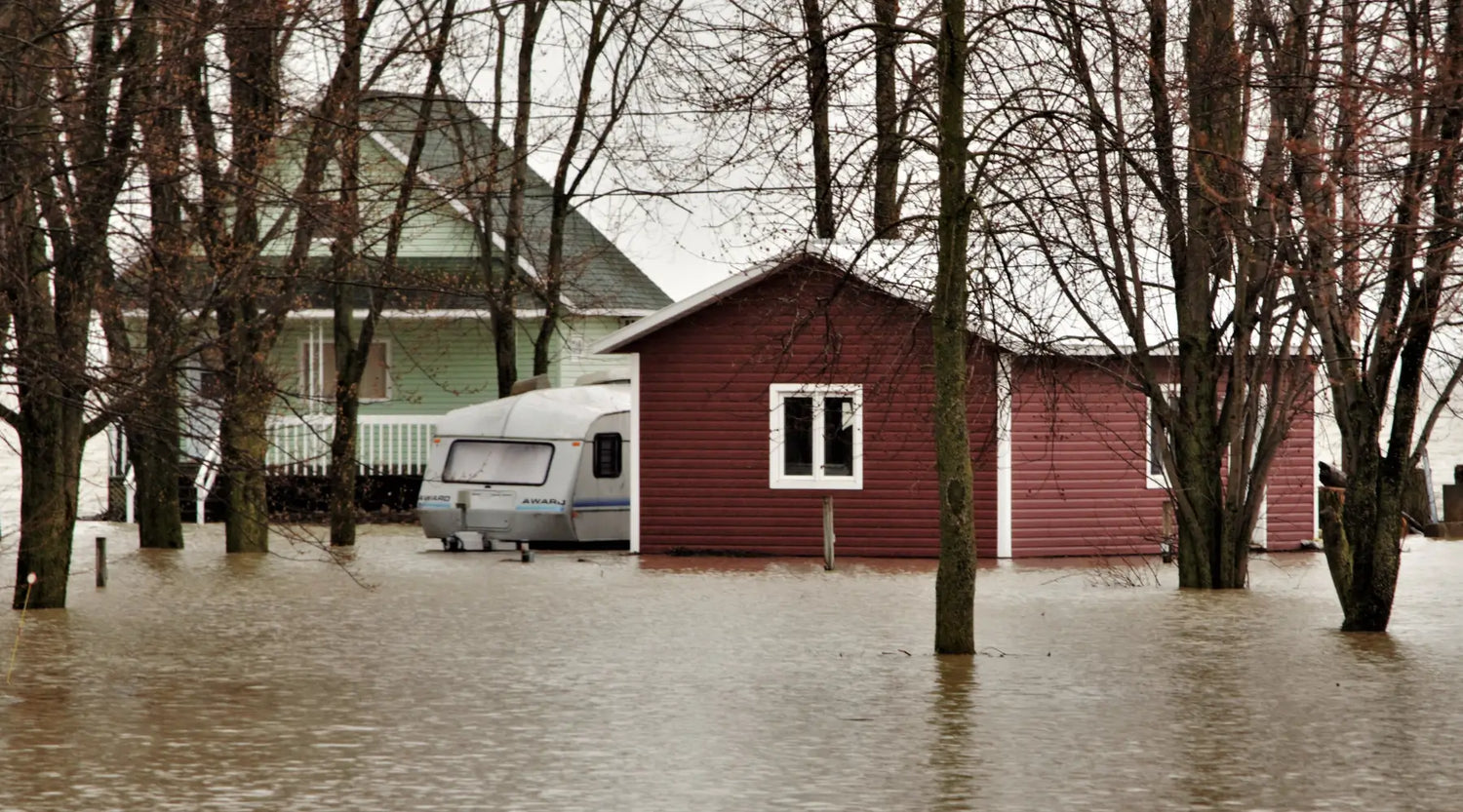
Water damage restoration can take anywhere from a few days to several weeks. The exact timeline depends on how much water entered the property, which materials became wet, how quickly cleanup began, and whether repairs or reconstruction are required.
Removing visible water is only the beginning. Moisture can remain inside drywall, insulation, flooring, cabinets, framing, and other building materials after the surface appears dry.
A professional restoration process generally includes inspection, water extraction, removal of unsalvageable materials, structural drying, moisture monitoring, cleaning, and repairs.
This guide explains each stage so Austin homeowners and property managers know what to expect.
Quick Answer: How Long Does Water Damage Restoration Take?
A minor water-damage incident may require several days of extraction and drying. A larger loss involving saturated drywall, flooring, insulation, or structural materials may take one to two weeks before repairs can begin.
Projects requiring extensive demolition, mold remediation, flooring replacement, drywall installation, painting, cabinetry, or reconstruction may take several weeks or longer.
A general timeline looks like this:
| Restoration stage | Approximate timeframe |
|---|---|
| Initial inspection | Same day |
| Emergency water extraction | Several hours to one day |
| Removal of damaged materials | One to three days |
| Structural drying | Three to seven days or longer |
| Cleaning and preparation | One to several days |
| Repairs and reconstruction | Several days to several weeks |
| Final walkthrough | After repairs are complete |
These are general estimates. The property must be evaluated before a reliable project timeline can be provided.
Water Mitigation vs. Water Damage Restoration
Water mitigation and water damage restoration are related, but they are not exactly the same.
Water mitigation
Water mitigation focuses on stopping additional damage. It may include:
- Stopping or containing the water source
- Extracting standing water
- Moving furniture and belongings
- Removing unsalvageable materials
- Setting up air movers and dehumidifiers
- Monitoring moisture levels
- Protecting unaffected areas
The goal is to stabilize the property and prevent moisture from spreading.
Water damage restoration
Water damage restoration begins after the loss has been stabilized. It includes returning the property to a functional, finished condition.
Restoration may involve:
- Replacing drywall
- Installing insulation
- Repairing subfloors
- Replacing flooring
- Painting walls and ceilings
- Repairing cabinets
- Reconstructing damaged rooms
- Completing finish work
A company that provides both mitigation and reconstruction can manage the property from initial cleanup through completed repairs.
Step 1: Emergency Inspection and Damage Assessment
The first step is determining where the water came from and how far it traveled.
A restoration team may inspect:
- Walls and ceilings
- Flooring and subflooring
- Baseboards
- Cabinets and vanities
- Insulation
- Attics and crawl spaces
- Adjacent rooms
- Areas below the original leak
Visible water does not always reveal the complete extent of the damage. Water can move behind walls, under flooring, and through openings around plumbing or electrical components.
Moisture meters, thermal imaging, and visual inspection may be used to locate affected materials and create a drying plan.
How long does the inspection take?
A basic inspection may be completed during the initial visit. Larger commercial properties or losses affecting several rooms may require a more detailed assessment.
The inspection can also help determine:
- What can be dried
- What should be removed
- What equipment is needed
- Whether the property can remain occupied
- Whether additional specialists are required
- What documentation may be needed for insurance
Step 2: Stop the Water Source
The water source must be stopped before effective drying can begin.
Common sources of water damage include:
- Burst or leaking pipes
- Water heater failures
- Appliance supply-line leaks
- Roof leaks
- Toilet overflows
- Plumbing backups
- Storm-driven rain
- Foundation or exterior water intrusion
A broken supply line may be stopped by shutting off the water. A roof leak may require a temporary covering. More complex plumbing, electrical, roofing, or structural problems may require additional repair work.
Do not enter standing water when there may be an electrical hazard. If the water may contain sewage or other contamination, avoid direct contact and wait for trained cleanup professionals.
Step 3: Water Extraction
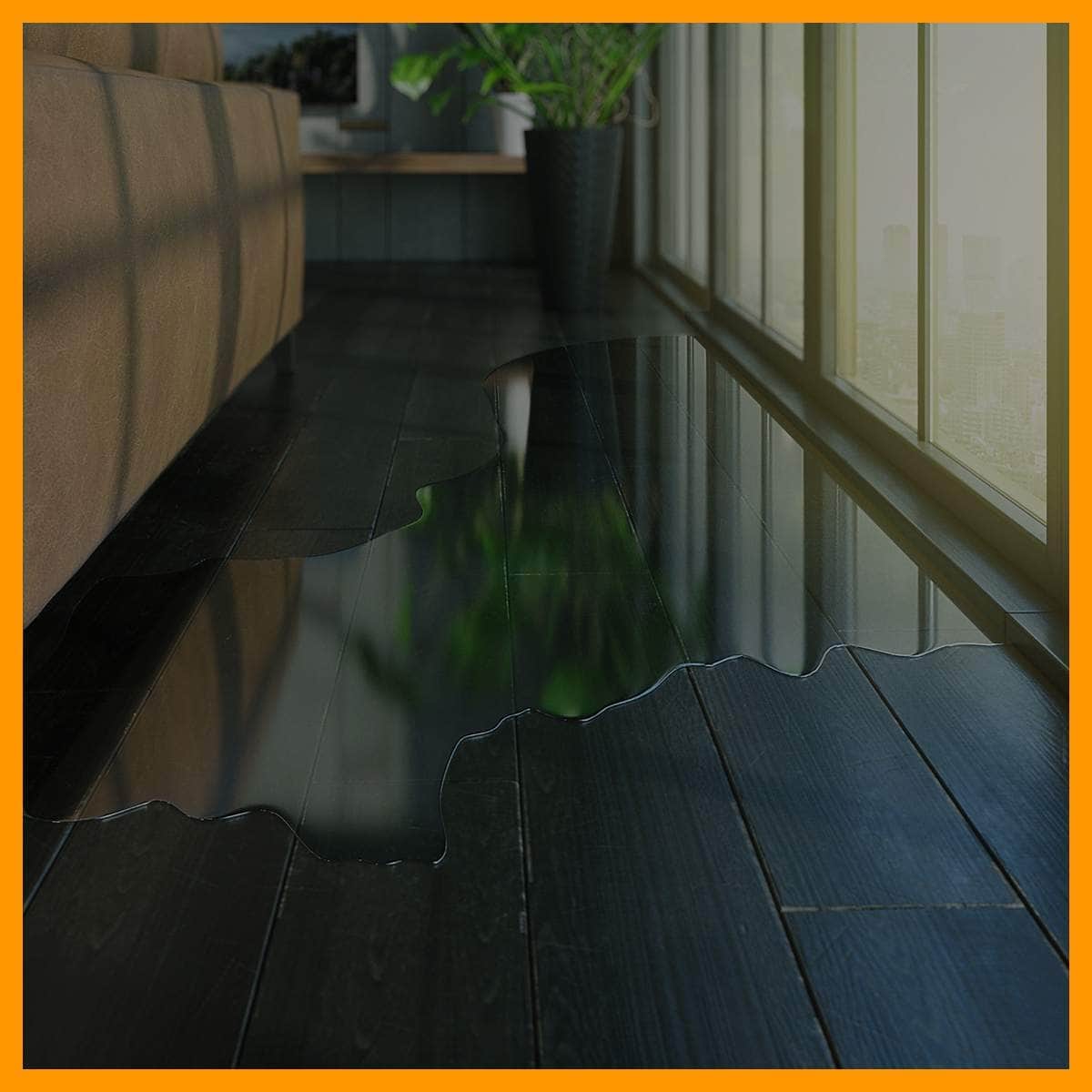
Water extraction removes standing water from flooring and other accessible areas.
Depending on the size of the loss, restoration crews may use:
- Extraction machines
- Pumps
- Wet vacuums
- Carpet extraction tools
- Floor drying systems
- Commercial water-removal equipment
Removing liquid water quickly reduces the amount that can continue soaking into porous materials.
How long does water extraction take?
A small amount of water may be extracted within several hours. A flooded room, multiple affected rooms, or a commercial property may require a full day or longer.
Extraction time depends on:
- The amount of standing water
- The number of affected rooms
- The type of flooring
- Access to the damaged area
- Whether water remains under flooring
- Whether furniture or contents must be moved
Extraction is complete when standing and accessible liquid water has been removed. The building materials may still require several days of drying.
Step 4: Remove Materials That Cannot Be Saved
Some wet materials can be dried and restored. Others may need to be removed.
Materials commonly evaluated include:

- Drywall
- Insulation
- Carpet padding
- Laminate flooring
- Engineered wood flooring
- Baseboards
- Cabinets
- Ceiling materials
- Upholstered items
The decision depends on the water source, exposure time, material condition, installation method, and whether the material can be dried safely.
Removing damaged materials can also expose wet framing, subfloors, or wall cavities so air can reach them.
Does all wet drywall need to be removed?
Not always.
A limited clean-water leak that is addressed quickly may not require every section of drywall to be removed. Drywall that is soft, crumbling, contaminated, heavily saturated, or unable to dry properly may need replacement.
The condition should be evaluated rather than assuming every wet wall can be saved or must be demolished.
Step 5: Structural Drying
Structural drying removes moisture that remains inside the property after extraction.
Restoration crews may use:
- Commercial air movers
- Dehumidifiers
- Containment barriers
- Floor drying systems
- Cavity drying equipment
- Temperature and humidity monitoring
- Moisture meters
Air movement helps moisture evaporate from wet materials. Dehumidification removes moisture from the surrounding air so evaporation can continue.
How long does structural drying take?
Many residential drying projects require approximately three to seven days. Some may dry faster, while others take longer.
The drying timeline can be extended by:
- High indoor humidity
- Saturated wood or concrete
- Water trapped beneath flooring
- Wet insulation
- Multiple affected rooms
- Limited airflow
- Delayed cleanup
- Thick or layered building materials
- Continued water intrusion
Equipment should not be removed simply because surfaces feel dry. Moisture readings help determine whether affected materials have reached an appropriate dry condition.
How Long Should Fans Run After Water Damage?
Fans or professional air movers may need to operate continuously for several days.
The correct amount of time cannot be determined by a single universal rule. Drying should be based on the condition of the affected materials, not only the number of hours the equipment has been running.
Turning equipment off too early can leave moisture inside:
- Wall cavities
- Subfloors
- Wood framing
- Cabinets
- Flooring systems
- Insulation
Home fans may help with a very small, clean-water incident, but they are not a substitute for professional extraction, dehumidification, and moisture monitoring when water has spread into building materials.
Do not aim fans at areas affected by sewage, contaminated floodwater, or visible mold. Air movement may spread contaminants into other areas.
Step 6: Moisture Monitoring
Drying equipment is generally checked during the drying process.
Technicians may monitor:
- Moisture content
- Relative humidity
- Temperature
- Equipment placement
- Drying progress
- Previously hidden areas
- The condition of affected materials
Equipment may be repositioned or adjusted as different areas begin to dry.
Daily or scheduled monitoring helps answer an important question: Is the building actually getting drier?
Without measurements, a wall or floor can appear dry while moisture remains beneath the surface.
Step 7: Cleaning and Preparing the Area
After affected materials have dried, the area can be cleaned and prepared for repairs.
This stage may include:
- Cleaning exposed surfaces
- Removing remaining debris
- Cleaning salvageable materials
- Addressing odors
- Preparing framing and subfloors
- Removing containment
- Organizing repair materials
The required cleaning method depends heavily on the source and category of water.
Water from a broken clean-water supply line is handled differently from sewage, floodwater, or a plumbing backup. Contaminated water requires additional precautions, material removal, and cleaning procedures.
Step 8: Repairs and Reconstruction
Repairs begin after drying is complete and the affected area is ready to rebuild.
Depending on the damage, reconstruction may involve:
- Replacing insulation
- Installing new drywall
- Taping and texturing walls
- Painting
- Installing baseboards
- Repairing cabinets
- Replacing flooring
- Repairing ceilings
- Completing electrical or plumbing work
- Rebuilding extensively damaged rooms
How long do water-damage repairs take?
Minor repairs may take several days. Reconstruction involving several trades, custom materials, cabinetry, flooring, or multiple rooms can take several weeks.
The repair schedule may also be affected by:
- Material availability
- Insurance authorization
- Permit requirements
- Specialty subcontractors
- Custom cabinets or flooring
- The size of the affected area
- Changes requested by the property owner
Drying and reconstruction should be treated as separate stages. A property may be dry within days but still require additional time for repairs.
What Makes Water Damage Restoration Take Longer?
The amount of water
A small appliance leak generally requires less work than a burst pipe that affects several rooms.
How long the water remained
Water that is discovered quickly may affect fewer materials. A slow leak can remain hidden long enough to reach walls, floors, cabinets, and framing.
The type of water
Clean water, used water, sewage, and outdoor floodwater require different cleanup precautions.
The materials affected
Tile and some hard surfaces may dry more quickly than insulation, drywall, wood flooring, cabinets, or layered subfloors.
Hidden moisture
Water can travel into areas that are not immediately visible. Locating and drying these areas may extend the process but helps prevent incomplete restoration.
Demolition requirements
Removing wet drywall, flooring, insulation, or cabinets adds time, especially when the materials must later be replaced.
Insurance communication
Claims, inspections, estimates, documentation, and approvals can affect when reconstruction begins.
Material availability
Special-order flooring, cabinets, tile, or fixtures may extend the repair schedule.
Can You Stay in Your Home During Water Damage Restoration?
It depends on the extent and location of the damage.
Remaining in the home may be possible when:
- The affected area is limited
- Essential utilities are working
- Bathrooms and kitchens remain usable
- The water is not contaminated
- Equipment does not block safe access
- The structure is stable
Temporary relocation may be more practical when:
- Sewage or contaminated water is involved
- Large areas are affected
- Electrical systems are unsafe
- The only kitchen or bathroom cannot be used
- Demolition creates excessive disruption
- The property has structural concerns
- Noise and heat from drying equipment are substantial
The restoration team, property owner, insurer, and any relevant safety professionals can help determine whether occupancy is practical.
When Should You Call a Water Damage Restoration Company?
Professional help should be considered when:
- Water has spread into walls or flooring
- More than a small surface area is affected
- The water source is unknown
- Sewage or contaminated water is involved
- Water entered through the roof or exterior
- The ceiling is bulging or sagging
- Flooring is lifting or warping
- You notice persistent damp or musty odors
- The damage may involve an insurance claim
- You cannot confirm that the materials are dry
Quick action can reduce the amount of material that must be removed and help create clearer documentation of the loss.
Frequently Asked Questions
How long does water mitigation take?
Water mitigation often takes several days, but larger losses may take longer. The process includes inspection, extraction, material removal, equipment setup, structural drying, and moisture monitoring.
How long does it take to dry out a house after water damage?
Many residential water-damage projects require approximately three to seven days of professional drying. Saturated wood, concrete, insulation, subfloors, and hidden cavities may require additional time.
How long should fans run after water damage?
Fans or air movers may need to run continuously for several days. They should remain in place until moisture readings show that affected materials have reached an appropriate dry condition.
Can water damage be fixed in one day?
A very small surface-level incident may be cleaned up in one day, but water that has entered flooring, drywall, insulation, cabinets, or framing usually requires additional drying and repairs.
Does removing standing water mean the property is dry?
No. Standing water can be removed while moisture remains inside porous building materials and concealed spaces.
What happens after the drying equipment is removed?
The affected area is evaluated, cleaned, and prepared for repairs. Reconstruction may include drywall, insulation, flooring, baseboards, cabinets, paint, and other finish materials.
Can wet drywall dry without being removed?
Some drywall may be dried when the water is clean, the exposure is limited, and the material remains structurally sound. Heavily saturated, contaminated, deteriorated, or inaccessible drywall may require removal.
Why does water damage restoration take so long?
The visible water can often be extracted quickly, but moisture trapped in porous materials takes longer to remove. Restoration may also require demolition, drying, cleaning, insurance documentation, and reconstruction.
Water Damage Restoration in Austin, Texas
Water damage can begin with a burst pipe, failed water heater, roof leak, plumbing overflow, appliance leak, or severe Central Texas storm.
AllDone Construction provides water damage mitigation, structural drying, repairs, and property reconstruction for homes and businesses in Austin, Hutto, and surrounding Central Texas communities.
Our team helps property owners move through the complete restoration process—from the initial inspection and water removal to drywall, flooring, paint, and reconstruction.
Contact AllDone Construction to request a water damage inspection and receive a project timeline based on the actual condition of your property.
The Bottom Line
Water damage restoration may take a few days for a limited loss or several weeks when extensive repairs are required.
The process typically includes:
- Inspecting the damage
- Stopping the water source
- Extracting standing water
- Removing unsalvageable materials
- Drying the structure
- Monitoring moisture levels
- Cleaning affected areas
- Repairing and reconstructing the property
The most reliable timeline comes from an on-site inspection. The amount of water, materials affected, contamination level, drying conditions, and repair scope all influence how long the project will take.

Leave a comment
This site is protected by hCaptcha and the hCaptcha Privacy Policy and Terms of Service apply.